
Southeast Asia Ushers in Golden Era of Manufacturing: Here’s Your Guide
As of January 2026, the Regional Comprehensive Economic Partnership (RCEP) has been in effect for 4 years and officially entered its 5th year. As a key engine for regional economic integration, RCEP, coupled with the upgrade to the China-ASEAN Free Trade Area 3.0, continues to unleash policy dividends.
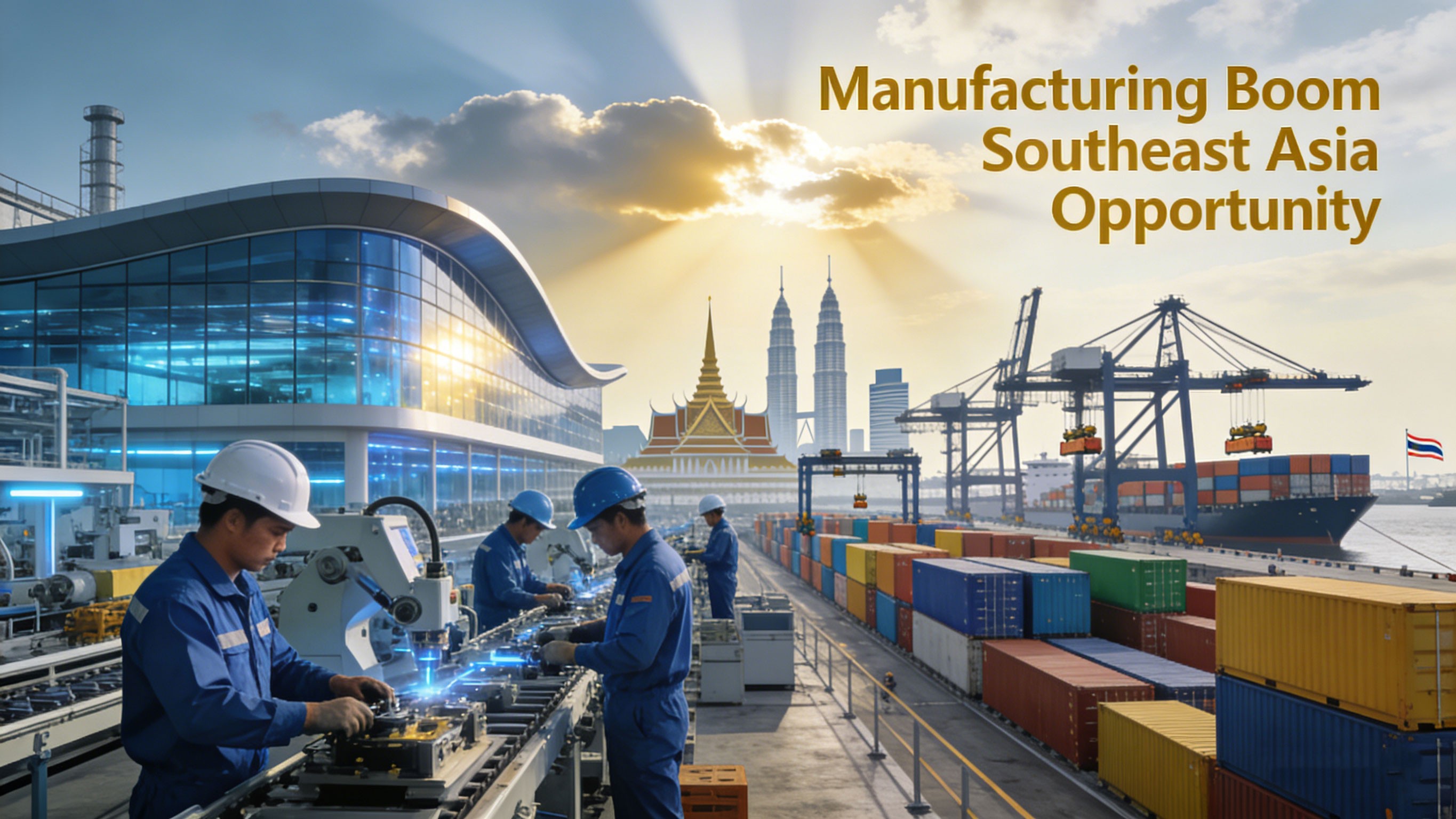
China has long been ASEAN’s largest trading partner, with China-ASEAN trade volume approaching US$1 trillion in 2025. Against this backdrop, Southeast Asia’s manufacturing sector is entering a golden period of development.
Under the trend of global supply chain diversification, Chinese enterprises are shifting mid- and low-end manufacturing to Southeast Asia to diversify risks. RCEP reduces tariffs within the region, facilitating the mutual supply of components.
Two Core Opportunities
Electronics, apparel, and auto parts: Vietnam, Indonesia, and Thailand have become popular relocation destinations.
FDI surges: In 2025, Japanese and South Korean companies increased investments in ASEAN, leveraging RCEP to export to China.
Real Cases: Witnessing the Realization of Benefits
● Vietnam Electronics Factory: A company handling Chinese mobile phone components enjoyed RCEP tariff reductions in 2025, with exports to China growing by 40% and the factory expanding its workforce by 2,000.
● Indonesian Apparel Exporter: By utilizing RCEP rules of origin, the company imported fabrics from China, processed them, and sold them to China and Japan with zero tariffs, with annual orders exceeding 5 billion Indonesian rupiah.
Three Steps to Seize Opportunities
Establish a factory or partner with Chinese companies.
Apply for RCEP certificates to enjoy tariff preferences.
Integrate into regional mainstream supply chains (e.g., Xiaomi, OPPO, and other enterprises’ factories in Southeast Asia).